

Trusted by:
University of Southern California
Warner Bros.
Volvo
Amazon
Stanford University
Updated: August 20, 2026
9 min read
You can automatically create Zoom certificates of attendance in four different ways, using Zoom’s built-in Certification feature, Certifier’s native Zoom integration, a one-off CSV upload, and Zapier automation. Compare the tradeoffs and choose the best workflow for your event.
Research with AI:
Automating certificate delivery after Zoom meetings or webinars saves hours of administrative work. The best way to create Zoom certificates depends on the type of your event, your Zoom plan, attendance rules, whether you need branding, and on how automated you’d like the process to be.
We cover four methods to create and send Zoom certificates of attendance in this guide:

Zoom's built-in simplified certification feature.
Certifier's native Zoom App Marketplace integration.
CSV attendee report uploads for bulk issuing.
Zapier integrations for complex, multi-app workflows.
The important distinction is that Zoom certification can mean two different things since Zoom now offers a built-in Certification feature for eligible Zoom Events and Webinars Plus setups. We were expecting these to have customization features since they’re only available on high-tier plans, but they don’t.
But many webinar hosts need a more flexible attendance certificate workflow than Zoom can offer: branded certificates, reusable templates, verifiable credential pages, LinkedIn sharing, CSV fallback, and automations that work after standard Zoom meetings or webinars.
We compare the options and show you how to create, send, or automate Zoom certificates without manually copying names into a
Zoom's built-in simplified certification
feature is best for Zoom Events/Webinar Plus hosts who need very basic, criteria-based certs.
Certifier's native Zoom
integration is best for branded, verifiable attendance certificates that can scale if needed.
CSV attendee report uploads
are a great one-off solution for past webinars, one-time events, or if you need to do manual checks on the attendance lists
Zapier workflows
where multi-app logic, registration-based triggers, and CRM routing is needed.

Zoom's built-in Certification feature is useful when your event already fits Zoom's supported setup and you have a Pro plan or higher. Certifier is the better fit when you need branded, verifiable certificates that work across standard Zoom meetings, standard Zoom webinars, CSV attendee reports, and broader automation workflows.
Zoom's official docs say hosts can award certificates when attendees meet criteria such as minimum watch duration, poll participation, or resource access, and they can use Zoom to generate a personalized PDF certificate and deliver it through in-session, lobby, or follow-up email links.
Although they have a long way to go, it’s a real improvement for Zoom-native event teams. Unfortunately, it’s also a constrained workflow.
Zoom's support documentation lists several requirements and limitations for their certification feature, including:
Licensing constraints: a Pro, Business, Enterprise, or Education account with an active Zoom Events or Zoom Webinars Plus license.
Configuration timing: no support for on-demand webinars, recurring events, or multi-session events. You need to enable certification during the creation of a new event and cannot add certificates to an existing, published, or live event.
Authentication requirements: Registration requires user authentication, and attendees need to join using SSO, OTP, or their verified Zoom account with no option to support guest joins.
Attendee limits: Zoom enforces a maximum capacity of 1,000 attendees per event.
Certification enabled during event creation or before the event is published or live.
Software versioning: both the host and the attendees must use the Zoom desktop client version 6.7.0 or later. If attendees are on mobile web or outdated versions they won’t receive the certificates.
Here’s a direct comparison of the key parameters between using something like Certifier's native Zoom integration, which also offers the benefits of a professional credential design and issuance on the one hand, and relying on Zoom current certification feature alone on the other:
Comparison Point | Zoom Builtin Certification | Certifier Zoom Integration |
|---|---|---|
Best fit | Eligible Zoom Events or Webinars Plus sessions | Zoom meetings, webinars, trainings, and recurring certificate workflows |
Plan requirement | Zoom Events or Webinars Plus license, plus supported account type | Any Certifier account, including the free plan, and a free Zoom account |
Event type support | Limited to supported Zoom event formats | Meeting Ended and Webinar Ended automation paths |
Certificate format | Zoom-generated PDF certificate | Hosted digital credential with PDF download options |
Branding | Zoom certificate design settings | Dedicated credential template editor with thousands of templates, branded delivery, and multiple designs per credential |
Attendance rules | Zoom criteria such as view time, polls, and resources | Attendance-based issuing through Zoom trigger data and Certifier configuration |
Verification | Basic certificate download | Hosted verification page, QR code, and verifiable credential record |
LinkedIn/social sharing | Not the main workflow | Designed for recipient sharing |
Best fallback for past webinars | Not ideal once the event has passed | CSV upload from Zoom attendee report |
Zoom's native feature is a passable option if you already have the right Zoom license, your event fits the supported format, you want Zoom to manage criteria, and a basic PDF certificate is enough for your use case.
Certifier is the stronger choice if certificates are part of your training, CPD operations, webinar marketing, customer education, or event management. In those workflows, the certificate is much more than a PDF – it’s part of your core functions.
As such, features like branded touchpoints, reusable templates, recipient management, automation across standard Zoom Meetings and Webinars, shareable assets, and reliable post-event reporting will make a difference in the kind of service you can offer.
Certifier provides a native alternative that bypasses Zoom's high licensing fees and technical limits. It works with both standard Zoom Meetings and standard Zoom Webinars.
You can automatically issue Zoom attendance certificates by connecting Zoom to Certifier, choosing a Meeting Ended or Webinar Ended trigger, and mapping Zoom attendee data to a Certifier credential template. Once active, Certifier can issue certificates when the selected Zoom event ends.
Further down we also detail how you can do a single, manual CSV upload which exports attendee lists from Zoom to issue certificates in one-off batches.
Certifier's native Zoom integration follows a simple trigger to action workflow:
01A Zoom meeting or webinar ends.
02Certifier receives eligible attendee data from Zoom.
03Certifier issues the selected certificate or badge.
04Recipients receive their credential based on your delivery settings.
This path is best for recurring webinars, internal trainings, paid workshops, product education sessions, and virtual events where attendees expect proof of attendance shortly after the session.
Create or open your Certifier account, then go to Automations and create a new automation.
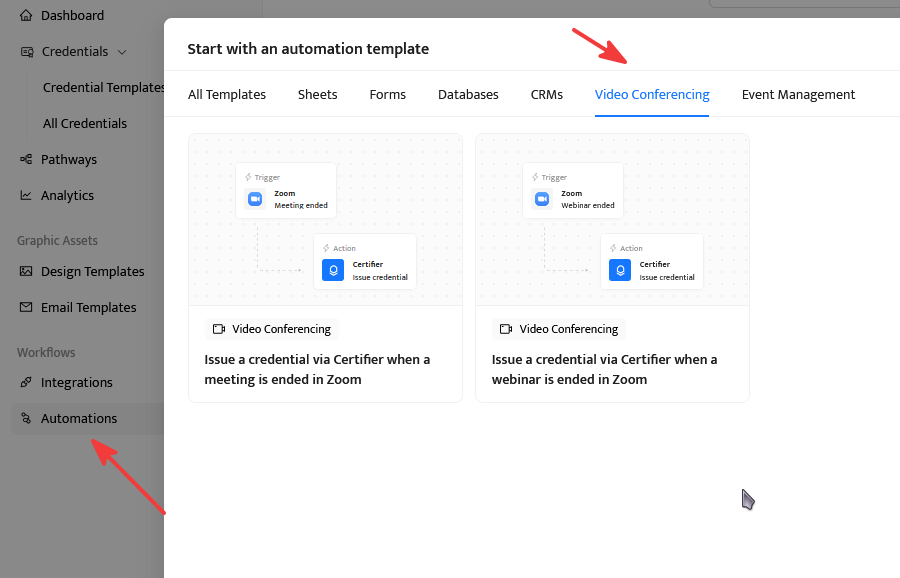
In the trigger configuration:
01Select Zoom as the app.
02Choose the event: Meeting Ended or Webinar Ended.
03Connect Zoom through OAuth.
04Sign in as a Zoom account admin and approve access.
05Save and continue.
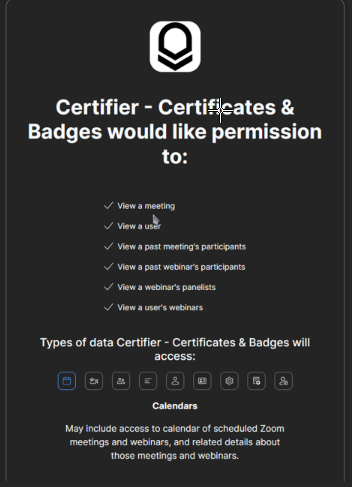
The meeting trigger applies when a meeting under the connected Zoom account ends. The webinar trigger issues credentials when a selected Zoom webinar ends.
Choose Meeting Ended when you want Certifier to issue credentials after Zoom meetings. This trigger applies to all meetings under the connected Zoom account. Hosts are excluded by default, and if a meeting has no attendees, no credentials are issued.
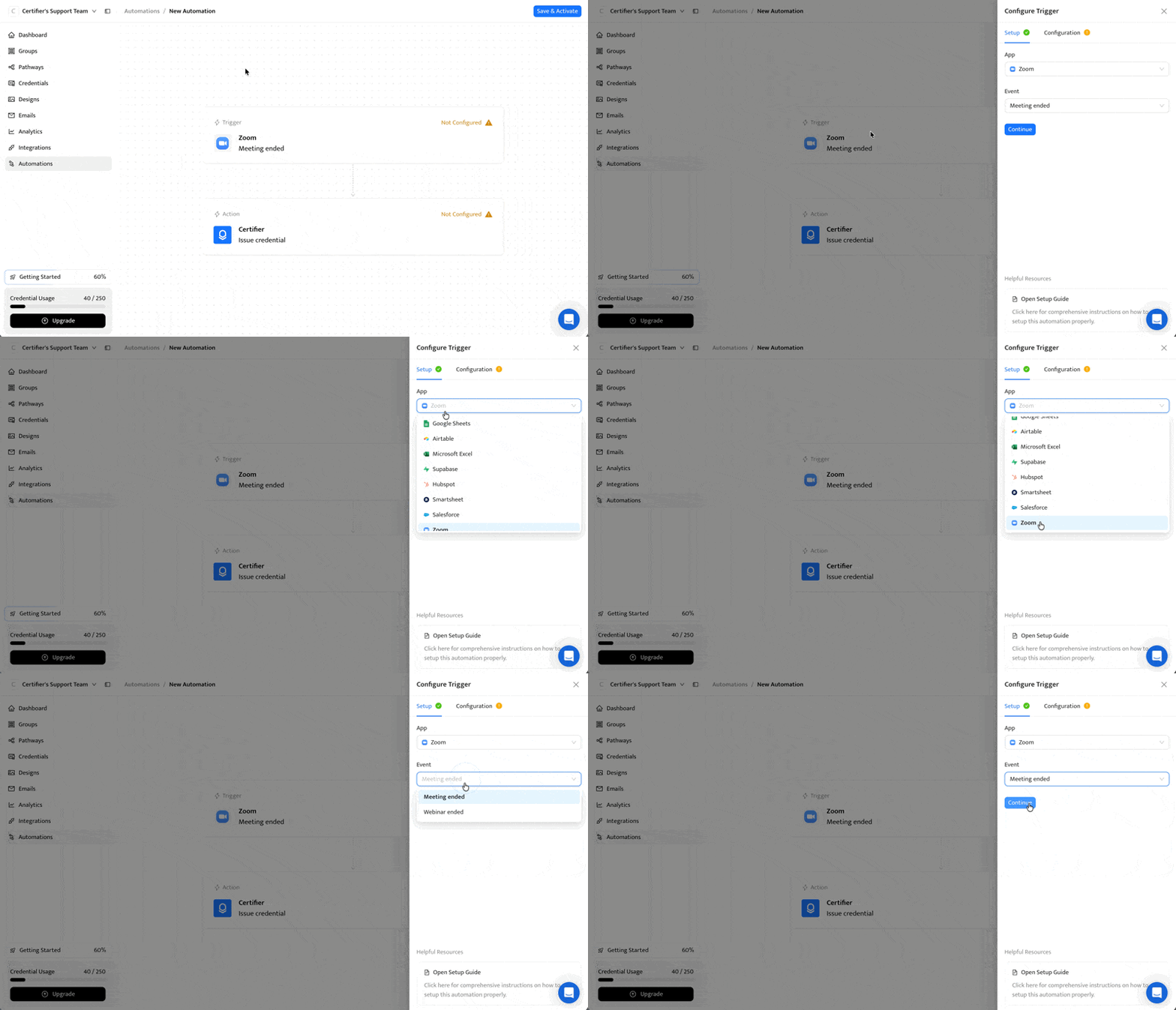
Choose Webinar Ended when you want certificates after a selected Zoom webinar. This trigger requires the Zoom Webinars add-on. You must select the webinar to monitor, and panelists are not issued credentials through this trigger.
There is one practical blocker in both cases: attendees need an email address in Zoom. If a person joins by phone, joins from a Zoom Room, or appears in the report without an email, Certifier cannot send that person a credential automatically.
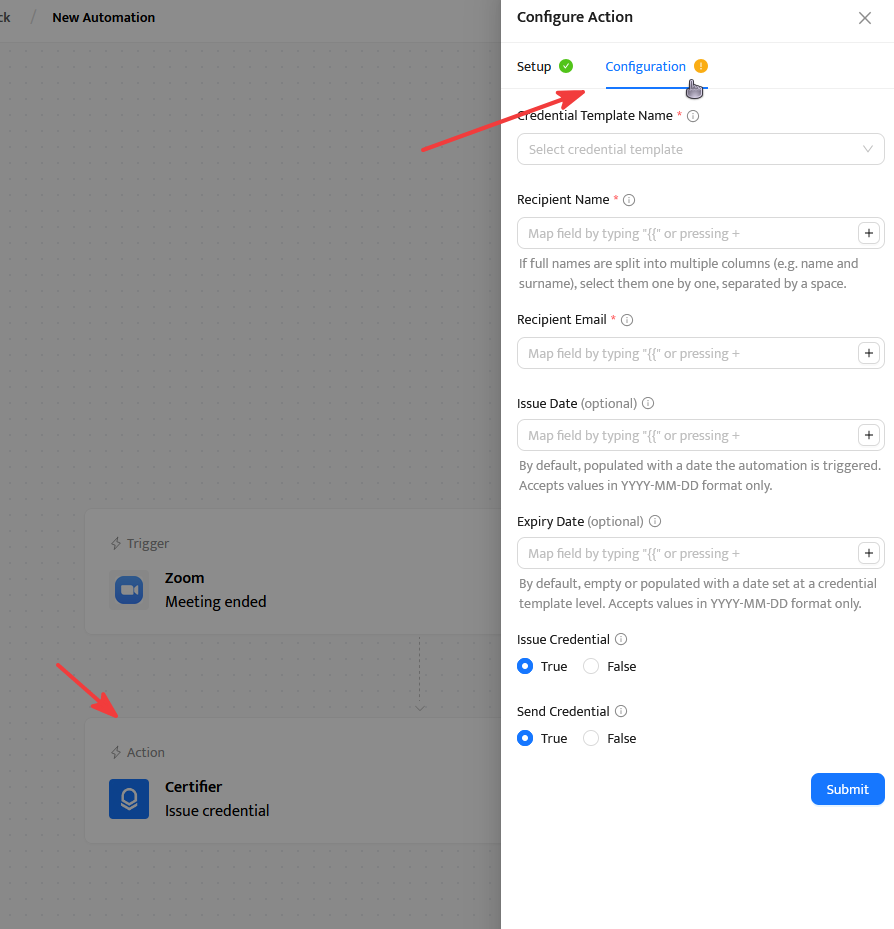
After the Zoom trigger is saved, configure the Certifier action.
Select:
App: Certifier
Event: Issue Credential
Credential Template: the certificate or badge template you want to use
Your Credential Template is where the design lives. It includes your certificate layout, branding, dynamic fields, and any attributes you want to personalize.
For a Zoom certificate of attendance, common fields include: recipient name and email, webinar title, attendance duration, completion date, speaker or host name.
Recipient name and email are required (you need something on the certificate and a place to deliver it to), but the others are optional.
Map the Zoom attendee data to the matching Certifier fields. Keep the first test simple: name, email, and issue date are enough to confirm the workflow.
Before using the automation for a real webinar, test the flow with a small internal session.
Check that the recipient name and email address are correct, that the credential template displays the right details, and that host or panelist records are not issued by mistake.
On the delivery side, pay attention to the email branding, as well as to the recipient credential page. The PDF download and verification link should also work.
You can use draft mode first to inspect the generated certificates before anything reaches attendee inboxes.
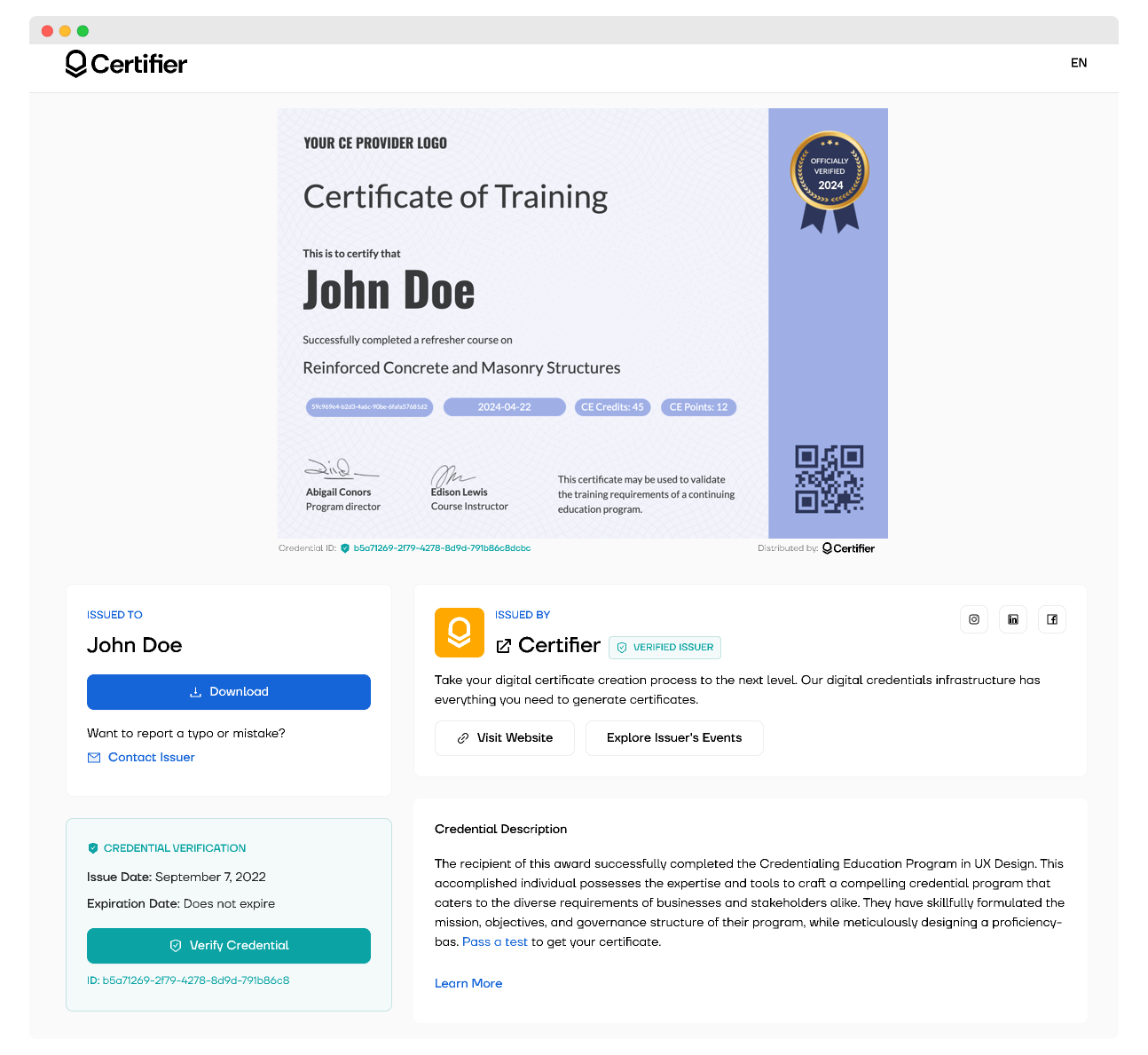
Once the test is correct, activate the automation. From that point forward, Certifier can issue credentials when the configured Zoom trigger fires.
This is the main advantage over CSV upload: after the setup is done, the workflow does not require a manual attendee export after every webinar.
Use the Certifier Zoom App Marketplace integration if your team is ready to evaluate the product path, and the Certifier Zoom setup guide for current setup details.
You can issue certificates in bulk by exporting the attendee report CSV from your Zoom account, uploading it directly to Certifier, mapping the data columns, and sending the emails instantly.
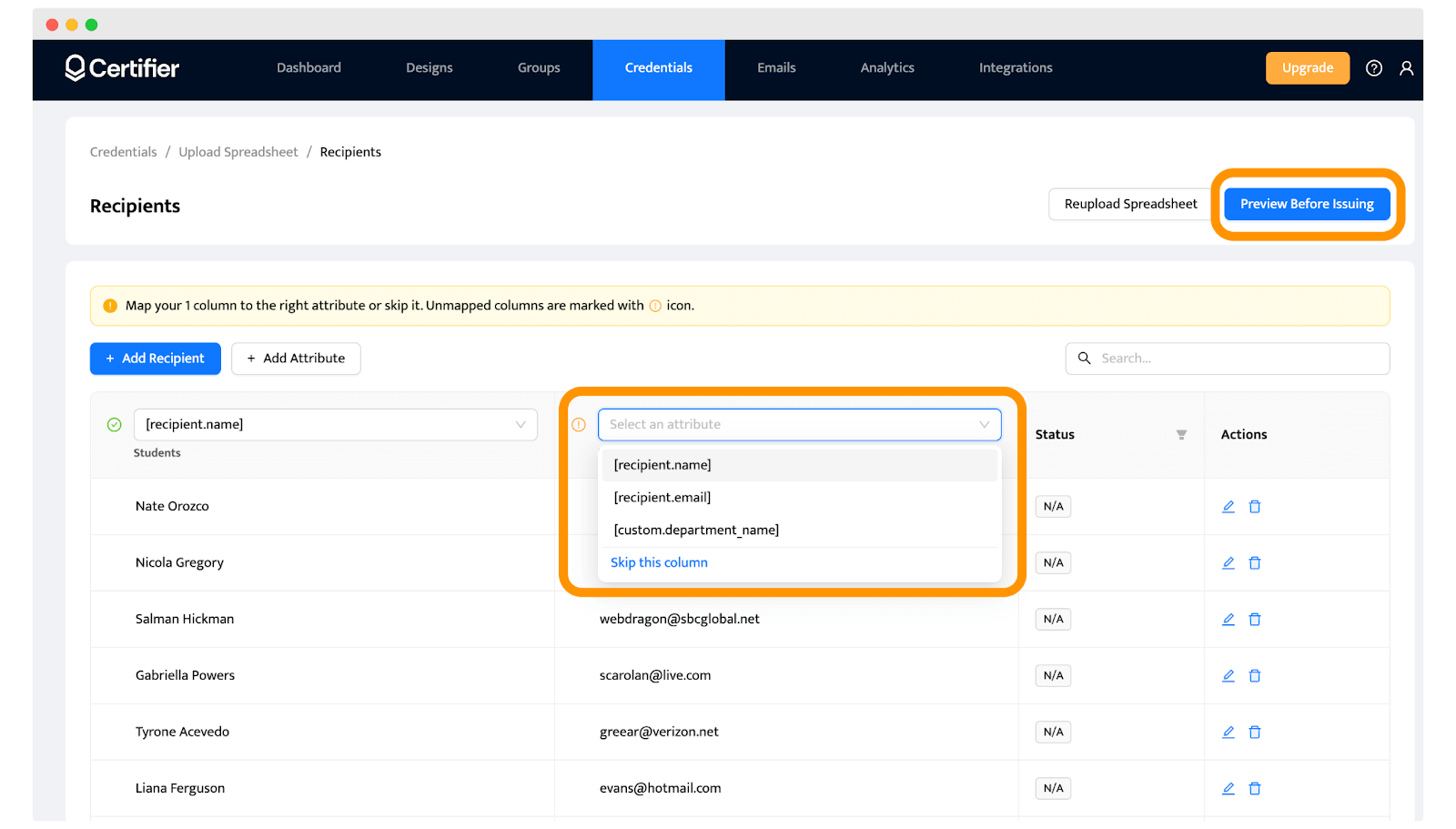
If you need to send certificates for a past event or a one-off event, or if you prefer to review attendee lists manually, the CSV upload method is the best path. It requires no API authorization or app installations:
Log in to the Zoom web portal. Navigate to Reports, then click Usage. Select Webinar or Meeting. Set the date range, locate your event, and click Generate.
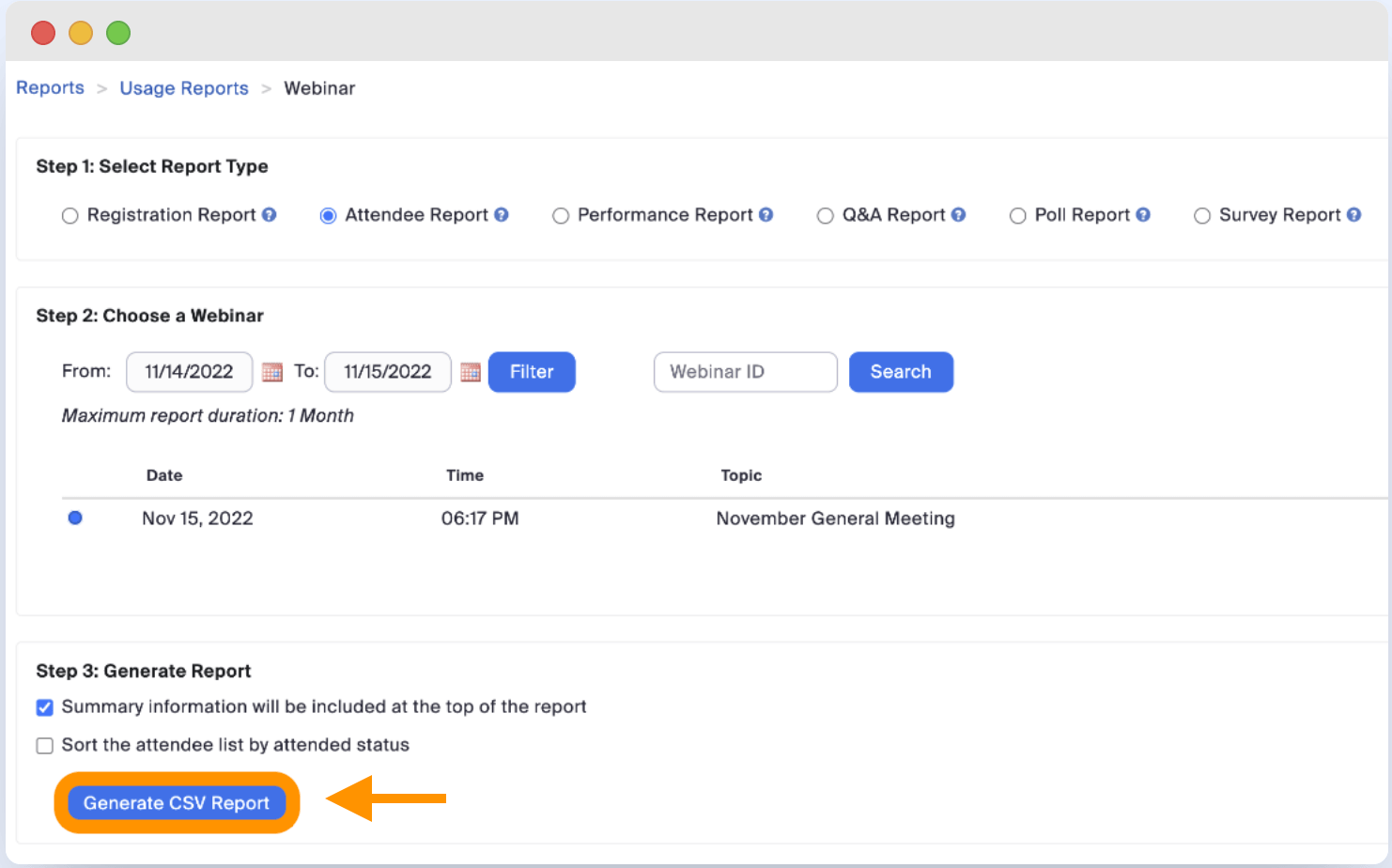
Open the CSV in a spreadsheet editor. Clean the data by removing test registrations, hosts, or participants who did not stay long enough.
Go to your Certifier dashboard. Select your template and click Issue Credentials. Select Upload CSV.
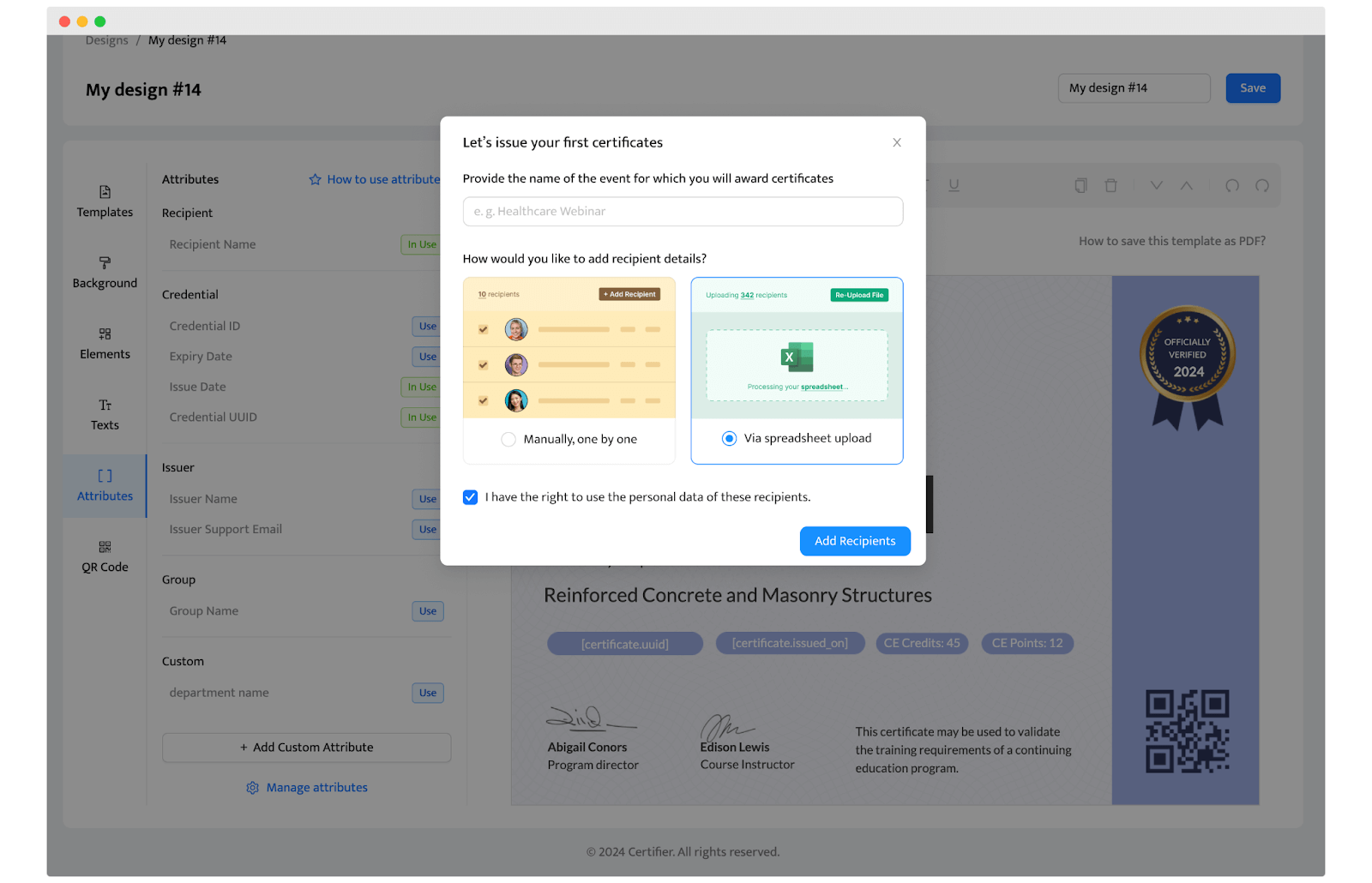
Map the CSV columns for names and emails to the Certifier variables. Click Issue to email the certificates.
Use Zapier when the certificate should depend on something beyond the Zoom session ending, such as registration, payment, quiz completion, CRM status, Slack notification, LMS completion, or a multi-step follow-up sequence.
Zapier still matters for complex workflows, but it is no longer required for core Zoom attendance certificate automation.
The native Certifier Zoom integration is the default path when the trigger is straightforward: meeting ended or webinar ended.
Zapier is useful when you need logic such as:
issue a certificate when a person registers, not when they attend;
wait for payment confirmation before issuing;
issue only after a post-webinar quiz is passed;
update HubSpot, Salesforce, or another CRM after issuing;
send a Slack message to the training team;
combine Zoom with Typeform, Google Forms, an LMS, or an email platform;
add approval steps before credentials go out.
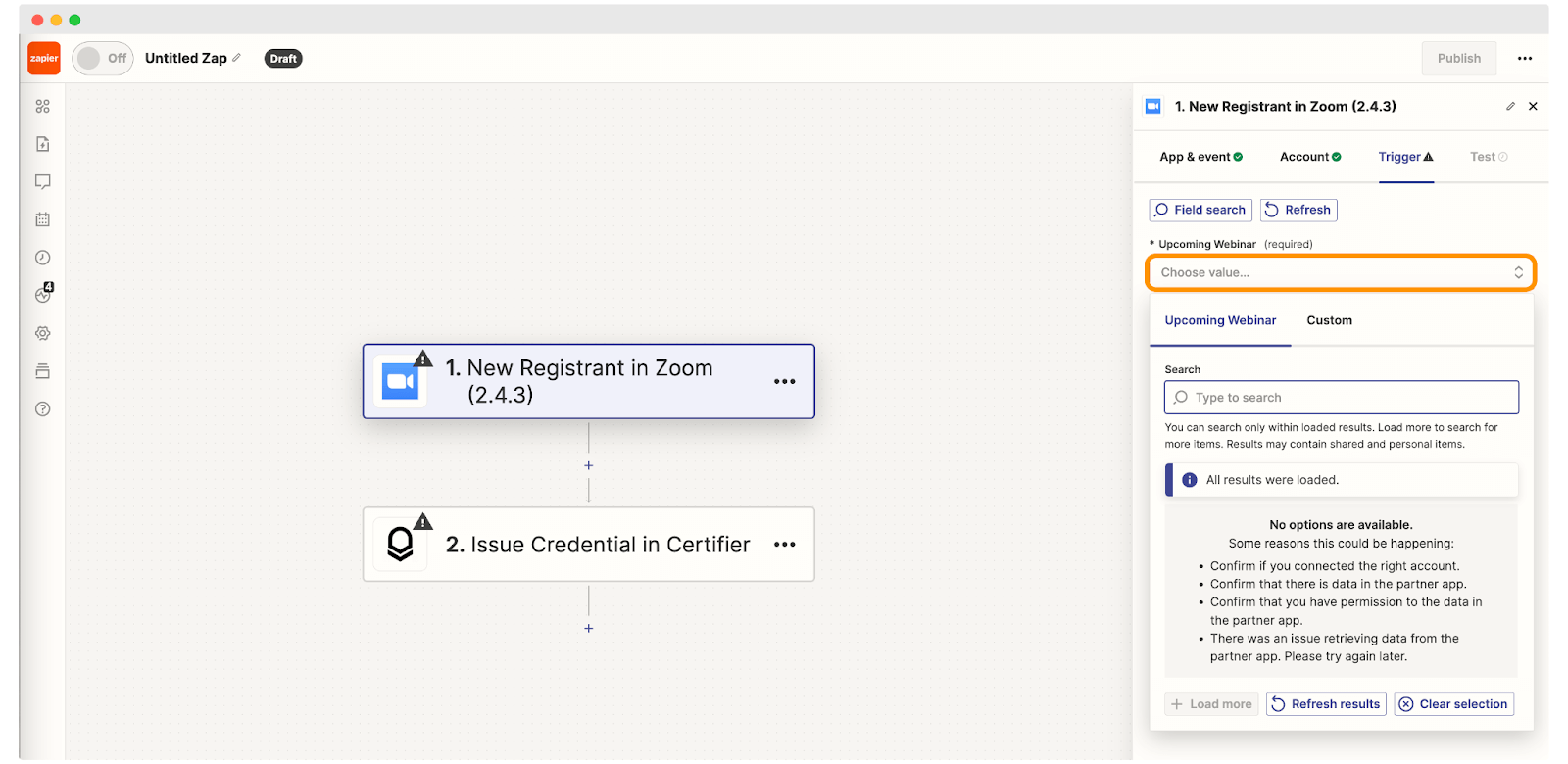
The setup usually looks like this:
Choose a Zoom trigger in Zapier, such as a registration or attendee-related event.
Add any filters or intermediate steps.
Add Certifier as the action app.
Choose the credential issuing action.
Map name, email, and custom fields.
Test with one record.
Turn on the Zap.
Do not use Zapier just because you assume Zoom certificate automation requires it. Use Zapier when the workflow genuinely needs multiple apps or logic that the native integration does not cover.
Create and Send Digital Credentials
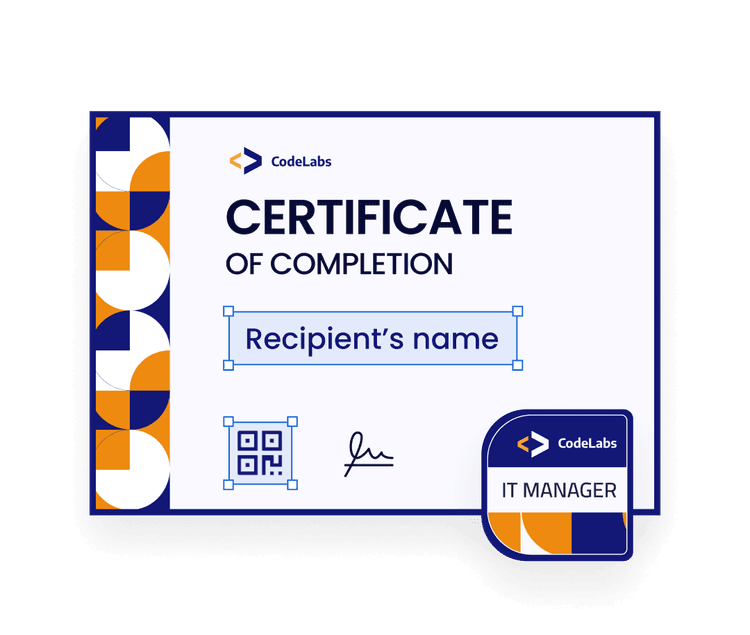
Automating Zoom certificates removes manual data entry, reduces spelling and delivery mistakes, helps certificates go only to actual attendees, and gives recipients a credential they can keep, verify, download, and share.
Manual certificate work feels small until it repeats and then grows bigger and bigger, taking up valuable time. After a busy webinar, someone still has to export the report, filter attendees, fix names, merge fields into a template, send emails, handle mistakes, and resend certificates to people who missed the first message.
Automation improves three things:
Administrative efficiency. You remove repetitive spreadsheet and email work from the post-webinar process.
Attendance integrity. You can issue based on actual attendance data instead of sending certificates to every registrant by default.
Recipient experience. Attendees receive a branded credential that is easier to save, verify, and share.
A good certificate of attendance is not only an administrative proof document. It can also become a post-event touchpoint. When recipients share a certificate or badge on LinkedIn, the webinar earns a second life in front of the attendee's network.
An attendee may also need a formal document to submit to an employer or institution. Customize this modern blue attendance confirmation letter with the webinar title, date, attendee name and organizer details to provide that additional record.
For broader planning, use the guide on webinar certificate templates and best practices. To start issuing certificates from Zoom, create a free Certifier account or open the Certifier Zoom App Marketplace integration.
Here’s the list of the most frequently asked questions related to the Zoom certificates topic.
You can prove attendance by generating a Zoom Usage Report after the meeting or webinar ends. This report lists every participant, their join time, their leave time, and their total watch duration.
To automate this process, you can link Certifier to Zoom. The system reads these metrics automatically and verifies attendance before sending certificates.
Open the Zoom web portal, go to Reports, choose the relevant meeting or webinar report, and export the participant or attendee data as a CSV. Generate the report after the webinar ends if you need final attendance duration.
Yes, if the workflow has attendee names and emails. Certifier's native Zoom integration can issue certificates after a meeting or selected webinar ends.
Zoom's built-in certification feature can also issue certificates when attendees meet configured criteria in supported Zoom Events or Webinars Plus setups.
You can design your certificate template using Certifier’s drag-and-drop editor.
First, link your template to your Zoom account. Then, when the webinar ends, Certifier generates a secure, downloadable PDF copy for each attendee and delivers it via email.
Zoom platform certifications are official technical exams administered by Zoom to certify system administrators and developers on their platform.
In this article, Zoom certificates of attendance means custom certificates that an event host sends to webinar or meeting attendees. Certifier credentials are host-controlled certificates or badges that can include branding, recipient records, verification links, and sharing options.
Yes. Export the attendee report from Zoom, clean the name and email fields, upload the CSV to Certifier, map fields to your certificate template, preview, and issue the batch.
Use Zoom's native certification feature if you already pay for a Zoom Events license and want a basic, zero-integration solution.
Use the native Certifier integration if you want custom branding, LinkedIn sharing, and compatibility with standard Zoom accounts.
Use Zapier if you need to connect your certificate workflow to things like external CRMs or payment processors.
ChatGPT can help draft certificate text, outline designs, or clean a list. It cannot verify Zoom attendance or issue host-controlled certificates unless it is connected to the relevant systems.
For real issuing, use Certifier automation, CSV upload, Zapier, or an approved API workflow.

- Content Strategy
- SEO & AEO/GEO strategy
- Conversion Rate Optimization
- Organic Growth
- Buyer Psychology
Head of Content
Vlad Melnic leads content at Certifier, bringing 10+ years of experience in SEO content marketing and conversion-focused content. His focus is turning complex product value into clear benefits.


